
Should you install a rat slab?
Many customers we go to, especially homeowners in more affluent areas, ask us whether they should install a rat slab. My go to answer is, “it depends”. Depends on what? Well budget is of course a factor as well as need. I have been to a ton of houses in my career where the customer has already had an inspector come out and he was pushing hard for a rat slab. There are definitely times where it’s a great idea (it’s never really the only option though). There are also many times where it’s absolutely unnecessary.
Case in point is a house I went to in the Oakland hills the other day. Customer had mice in the subarea and they were starting to get into the lower level. I looked in the subarea with the customer and she pointed out a little hole in the soil. She said the previous inspector pointed that out and was of the opinion that at least a partial rodent slab was necessary. My spidey senses were immediately tingling. Mice typically don’t burrow, they do sometimes dig a little but I’ve never seen them burrow a tunnel under a foundation. This subarea is partially built on a steep grade and I figured that the hole was actually a weep hole from moisture coming through the hill. I told this to her and she said she hasn’t seen moisture there since she moved in last year (I ended up finding a small amount of moisture coming from another weep hole deeper in the subarea so that originally hole likely was a weep hole at one time). I also asked if the foundation wall, which was a few feet away, was the front of the house. She said it must be and again that’s where the previous inspector thought the mice were burrowing from. After inspecting for a few more minutes, all I had to do was go a little further in the crawlspace and I was able to find that the wall we were originally looking at was actually an interior foundation wall and there was a whole other section of the crawlspace meaning that the hole the inspector saw was in no way connected to the front of the house! Furthermore that meant a rat slab would be completely pointless in this case as I didn’t see any erosion anywhere nor any burrow holes. In addition, the foundation was in great shape everywhere.
Needless to say if the customer went with even a partial rodent slab, she would be paying thousands for no reason - or in any case it wouldn’t solve the mouse problem. How were the mice getting in you might ask? Simple, I found many open vents, a partially open AC line, a hole under the garage bottom seal (all of which the previous inspector likely found) but I importantly found a hole in the stucco on the outside of the garage which was hidden behind foliage an active entry point.
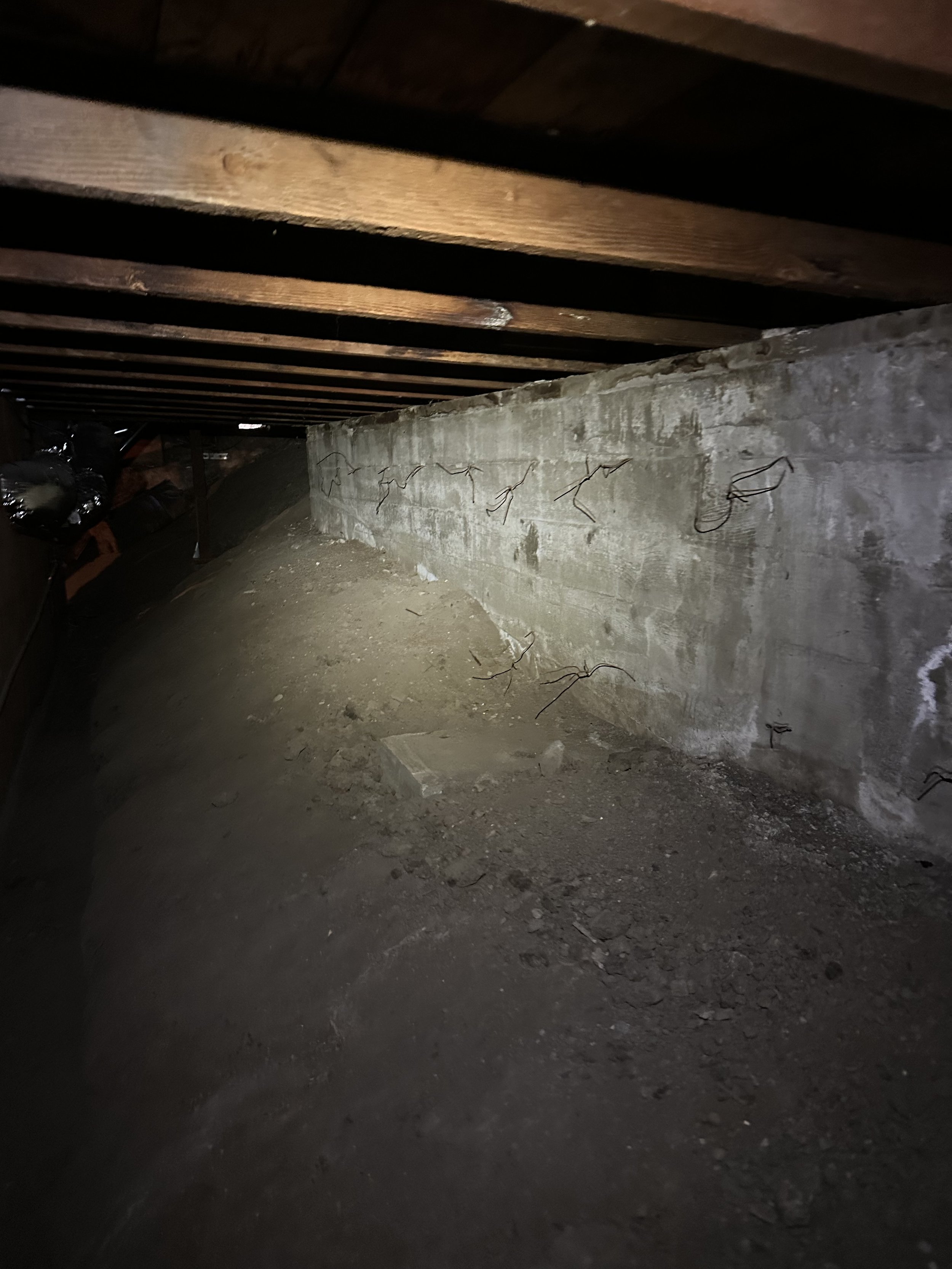
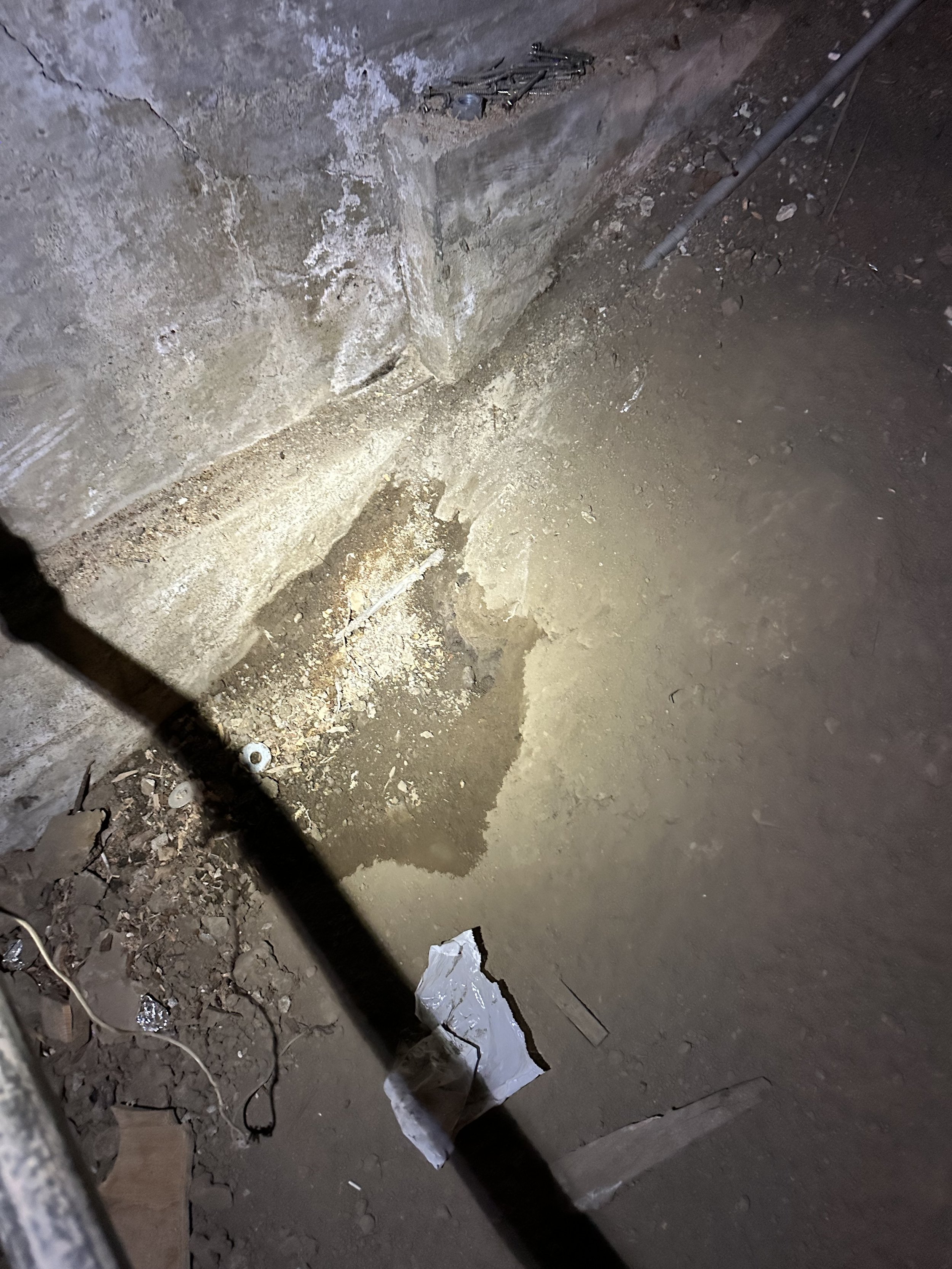
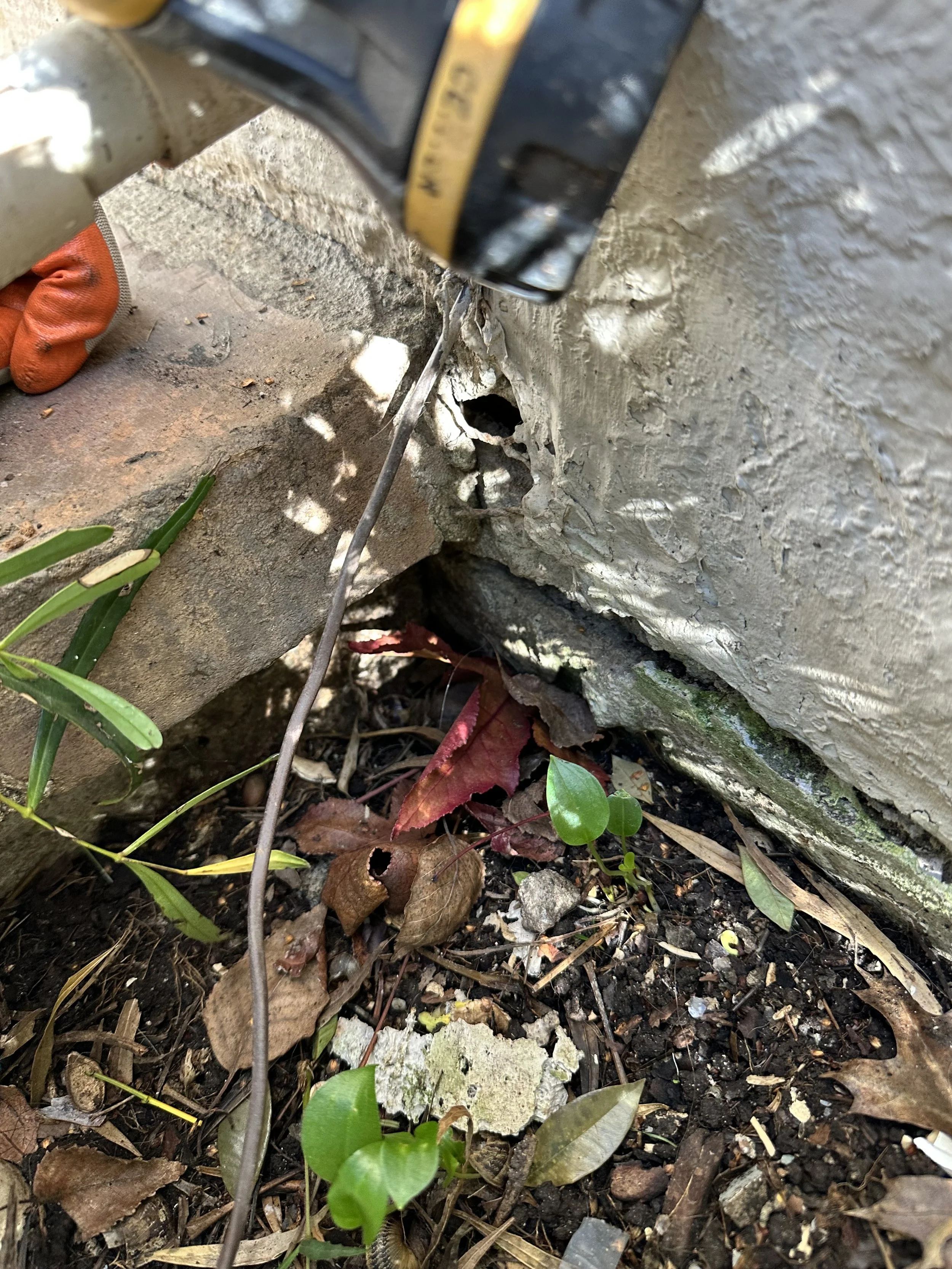
Don’t get me wrong, I never claim to be the best inspector. I miss things just like everyone else. I do have over 12 years experience which is a huge help but the most meticulous inspector will miss things from time to time. The point of this post is to determine whether or not a rat slab is necessary and in the previous case it definitely wasn’t.
When is it absolutely necessary you might ask? Well, really that’s a matter of opinion. You always have other options. Our go to service includes digging a trench around the outside and we then lay screening down and mount it to the foundation wall and stake it down to the ground. Last step is backfill the trench, if done right you may not even see our work. It’s not 100% foolproof but is usually 1/4 the cost of a rodent slab at least. I’ve always liked the idea of a rat slab and in some cases I think it’s a great option if you have the budget. Examples include - houses on a hill with lots of erosion, houses with foundation wall that “float” on piers meaning there’s only a few inches of top soil on the exterior preventing the rodents from burrowing and houses that are riddled with Norway rat issues (only happens in certain areas of the Bay Area - most areas we deal with have roof rats).
If you do decide to get a rat slab make sure you go with a company that uses fiber fill in the concrete as that will help prevent cracking. Ask them how thick they plan on going. 3”-4” is minimum in most cases, if you go much less than that you’ll definitely have cracking. Ask how long their warranty is and importantly what’s included in the warranty (do they repair cracks, will they repair the slab if you have do dig through it for a plumbing issue, etc). Last thing is to remember that no matter what, nothing is perfect. Rat slabs are great but if the company doing the work doesn’t seal all the entry points apart from the burrowing, you’ll still have rodents. Rodents will continue to look for new holes and will continue to chew so don’t be surprised if you spend over $15k and get rats back in 2 years.
Please note this is the internet and there’s always the potential for people to read this anywhere. Different variants of rodents behave differently than the variety we get here in the Bay Area (mostly roof rats and mice but also some Norwegian rats and the occasional wood rat). Anything I mentioned before primarily pertains to the area we work in.
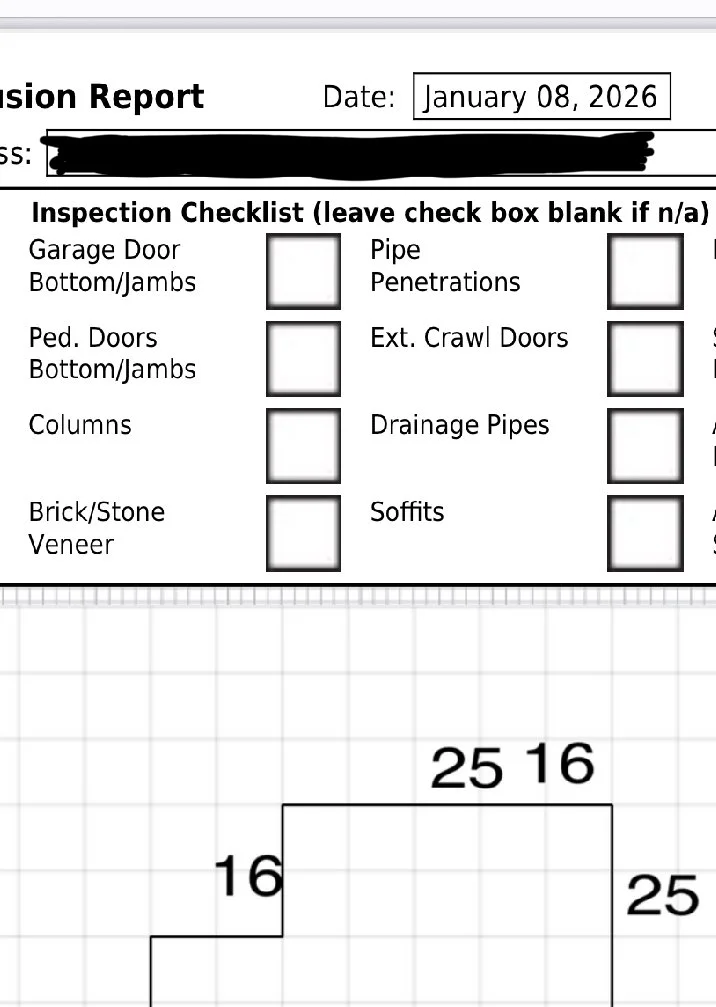
If you would like to have us check out your house, perhaps you’ve gotten a $15k quote for a rat slab and you want a second opinion, give us a call! We do charge $85 for most rodent inspections but I promise you it’s worth it. You’ll get a written report with a diagram of your house and codes describing what needs to be done (see above), you’ll also get pictures and a clear bid. We also waive the $85 fee if you do any work with us.